Decades Project:
The 1980's
designed in collaboration with "Grody to the max"
Food
During the 1980's, many foods and drinks that are still considered popular today were created. There was an increased transition from formal meal times to less regulated snacking. This transition caused the development of many different snack type foods.
Another popular dietary fad during the 80s was veganism. Originally called "non-dairy vegetarianism," veganism began to gain more popularity, but wouldn't become mainstream until the 2010s.
Popular Snacks and Food included:
Battenberg Cake
Bagel Bites
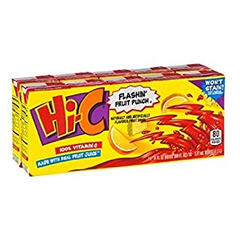
HIC
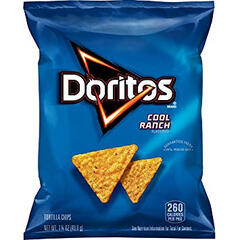
Cool Ranch Doritos
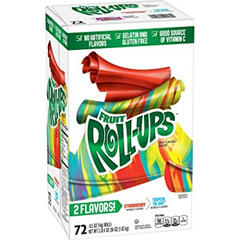
Fruit Roll Ups
Cheez Balls
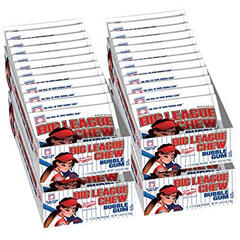
Big League Chew (Bubblegum)
Garlic Bread
Kiwi





FASHION
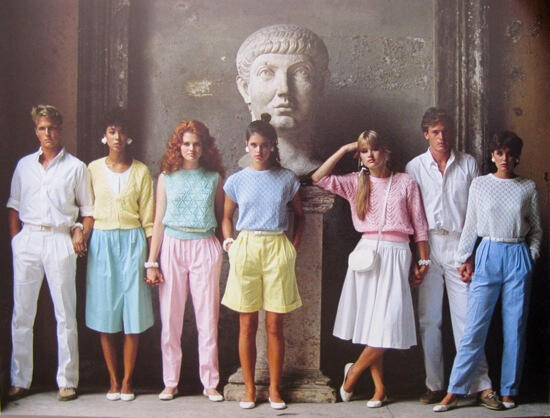
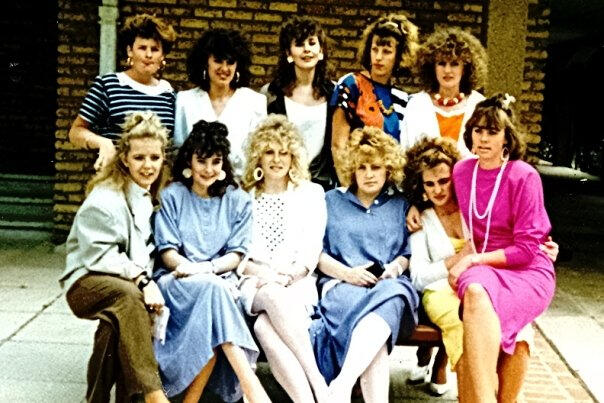
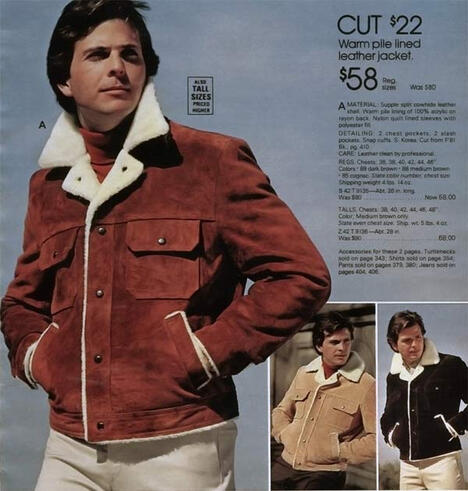
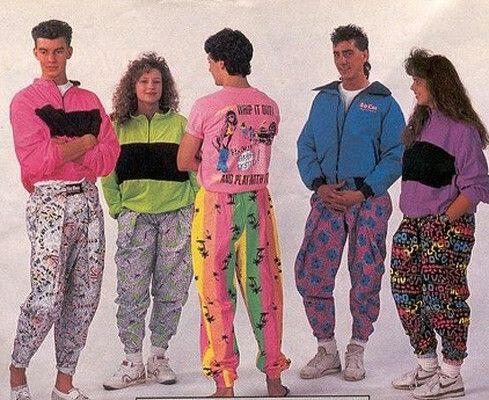
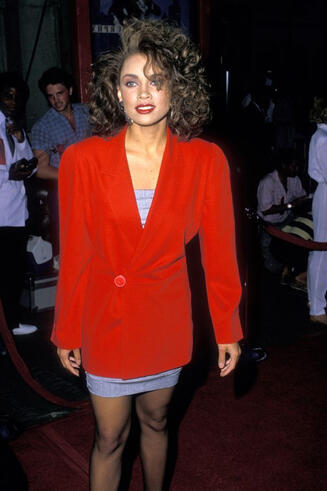
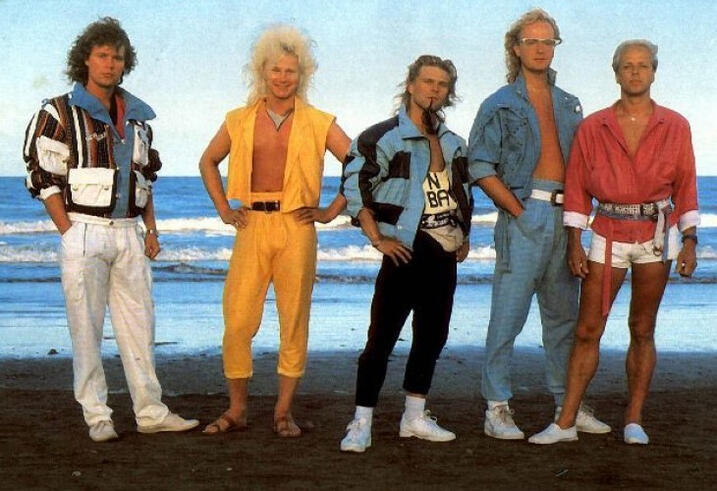
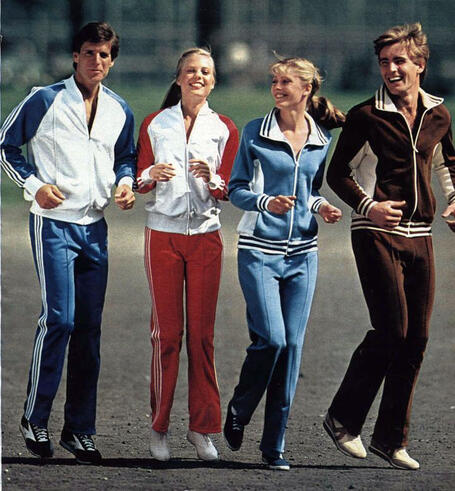
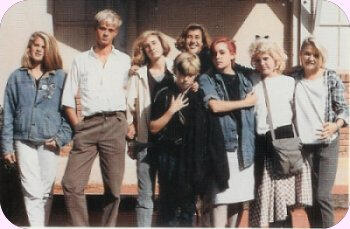
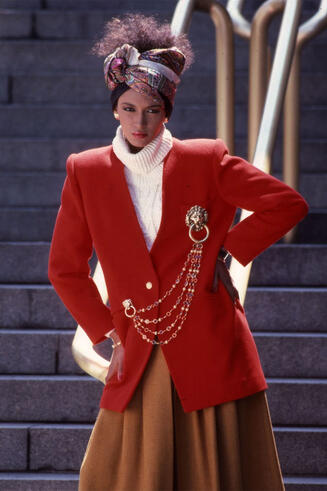

During the 1980s many different styles developed in various sub cultures. However, there are many staples of the era that were broadly considered popular during the decade.
Some of the most popular staples of the era included:
Fanny packs
Washed jean jackets
Slogan tees
Parachute Pants
Four-fingered rings
Velour
Reeboks
Shoulder pads
Spandex
Gucci
Airbrushed t-shirts
Iron-on letters
Ripped jeans
Animal print
Ray-Bans
Cazals
Lace on gloves, dresses, and headbands
Puffy shirts?
Headbands
“Op” Ocean pacific brand
Croakies
Bucket hats
Sneakers with no laces
Highwater pants, research more
Tracksuits
Acid Wash Jeans
&
NEON



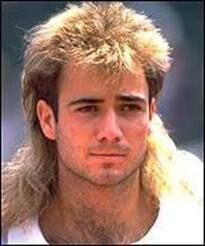


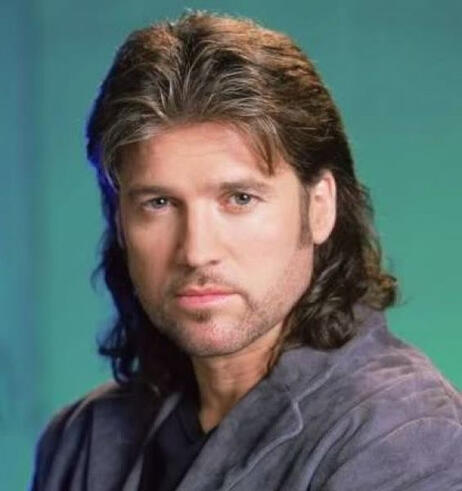

During the 80s, bigger was better. Some of the most popular hair styles for men included rat tails, mullets, and slicked back hair. Women typically had perms, side ponytails, or high top fades.
#FFD4EB
RECREATION
During the 1980s, the average work time was approximately 40 hours a week. This left room for the continued expansion of leisure activities which were becoming increasingly accessible for everyone.
During the eighties, popular activities included going to the arcade, going to the movies, and bike riding (especially for youth).
MUSIC OF A DECADE
Some big names during the decade were artists such as Madonna, Michael Jackson, Whitney Houston, and Prince. Madonna was not only a musician but also huge trendsetter in the fashion department. People looked up to her as an inspiration. Some of her hit songs throughout the 80’s were “Borderline”, “Like A Virgin”, and “Material Girl”. Michael Jackson, also known as the “King Of Pop”, had some huge hits in the eighties such as “Rock With You”, “Smooth Criminal”, and “Wanna Be Startin’ Somethin”. Other songs such as “Thriller” and “Beat It” were huge hits, along with their music videos, which shaped how music videos were made in the coming years. Like Madonna, Whitney Houston was also admired for her fashion. Her most memorable hit of the decade was “I Wanna Dance With Somebody”. Prince, unlike these other artists, favored a more R&B style with adoptions of the New Wave trends, creating his own unique style. One of his biggest hits in the eighties was a song, album and rock musical drama film all tilted “Purple Rain”.
Videos:
https://www.youtube.com/watch?v=TvnYmWpDT8
https://www.youtube.com/watch?v=eH3giaIzONA
https://www.youtube.com/watch?v=6p-lDYPR2P8
https://www.youtube.com/watch?v=hD3VFfhvs4
WHO'S WHO?
The 80’s was filled with four main types of music: Pop, Hip Hop/ Rap, New Wave, and Hair metal. Here are some names of artists in each category:
Pop
Madonna, Cyndi Lauper, Prince, Michael Jackson, Janet Jackson, Whitney Houston, Lionel Richie, Cher, Hall & Oates, David Bowie, Bruce Springsteen, Don Henley, John Mellencamp, George Michael, Tiffany, New Kids on the Block, Debbie Gibson, Wham!
Hip Hop/ Rap
Run DMC, Beastie Boys, Grandmaster Flash, Africa Bambaata, LL Cool J, Kurtis Blow, Salt-n-Pepa, Boogie Down Productions, Public Enemy, Biz Markie, Eric B. & Rakim, Ice-T, NWA, Jungle Brothers, Gang Starr
New Wave
Culture Club, Duran Duran, Devo, A Flock of Seagulls, Blondie, Talking Heads, The Cars, The Pretenders, Elvis Costello, The B-52s, The Go-Gos, The Beat, Soft Cell, Depeche Mode, The Police, The Clash, Billy Idol, The Cure, Spandeau Ballet, The Bangles
Hair Metal
Van Halen, Poison, Twisted Sister, Motley Crue, Warrant, Cinderella, Europe, Guns n' Roses, Skid Row, Metallica, Anthrax, Ratt, Pantera, Bon Jovi, Whitesnake, Quiet Riot, Iron Maiden, Ozzy Osbourne, Def Leppard, Aerosmith
MTV
MTV or Music Television offered a whole new road to fame for artists in the eighties. When MTV first debuted on August 1, 1981 it was a huge hit, playing music videos all 24 hours of the day. The first music video to be aired was “Video Killed The Radio Star” by The Buggles. MTV was originally owned by Warner Communications Inc. but was bought by Viacom Inc. in 1985, which brought some dramatic broadcasting changes. Instead of it being strictly music videos, cartoons, soap operas, and reality shows began popping up on the screen.
NOW SHOWING
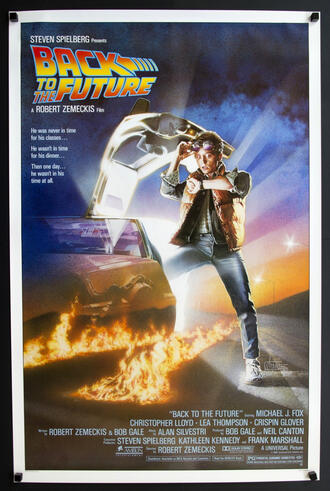
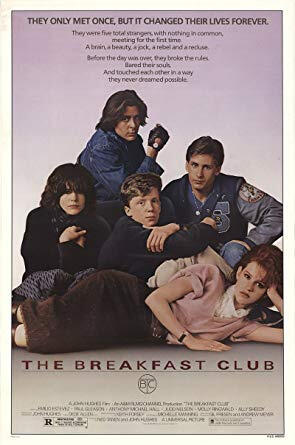
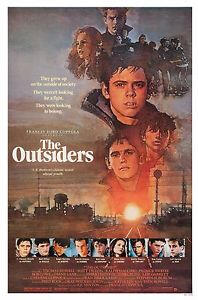
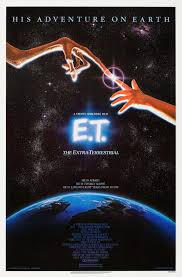
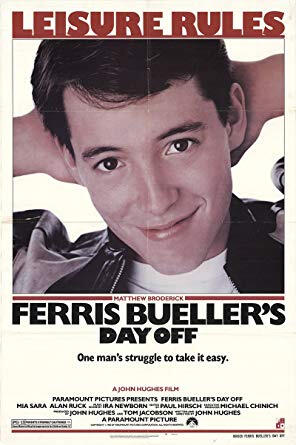
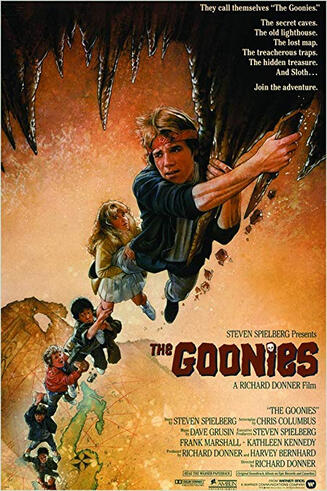
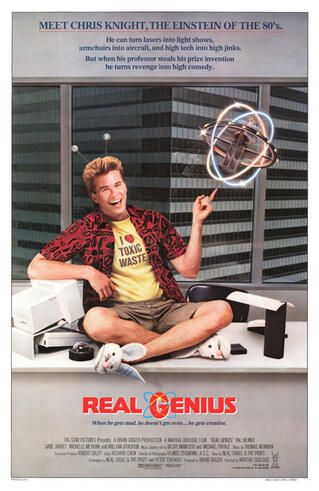
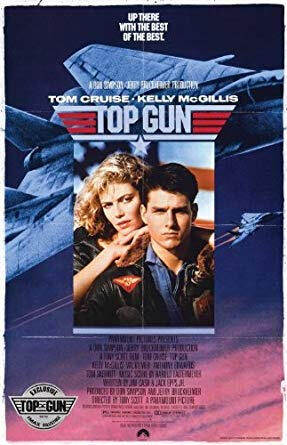
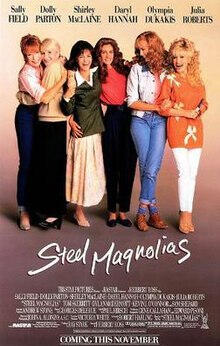
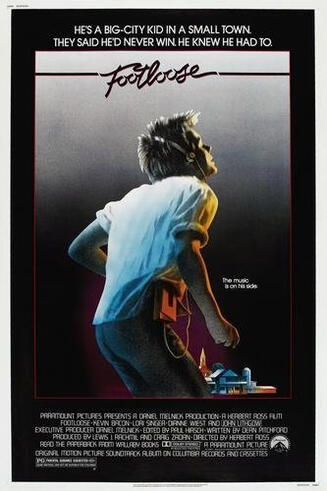
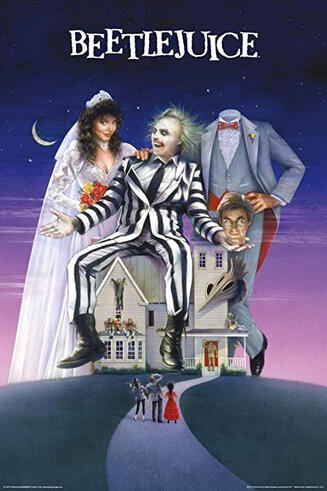
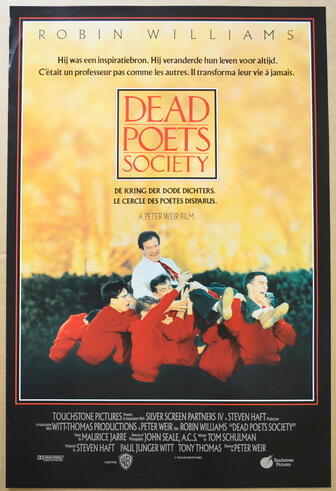
During the 1980s, one of the main genres for movies was coming of age movies. These movies primarilly follow the stories of teens and young adults as they begin to experience the adult world and face the realities of their own lives. These types of movies heavily dominated the box office and many are considered classics today.
TELEVISION
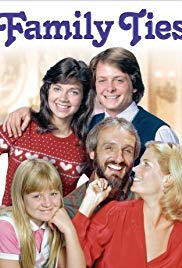
Cable networking was created in 1948, but it wasn't until the 60s and 70s that cable had begun to expand to include more variety in shows. Cable networking resulted in the downfall of the monopoly ABC, CBS, and NBC, had previously on what television shows were watched in the homes of Americans. In the 1980s, television was more widely accessible than ever before and had become a major part of American society. More shows than ever were being produced and consumed by mass media. According to the Eighties Club, "In 1986, 82% of American adults watched television daily, and the average household had the television set on for seven hours a day. Sunday was the most popular night for television viewing, and the most popular form of television entertainment was the mini-series, followed by made-for-TV movies. Americans watched an average of 39 minutes of television news daily. By 1985, 68% of all American households (60 million) had cable television service, while 88% of those subscribed to a pay cable service like HBO or Showtime."
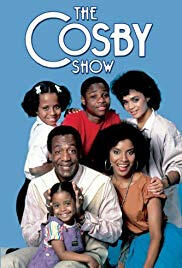
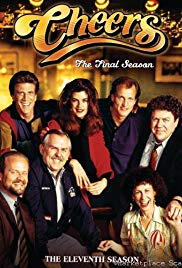
Popular shows from the 80s include:
The Golden Girls
Cheers
The Cosby Show
Family Ties
Top of the Pops
Saturday Superstore
Star Trek: The Next Generation
THE FAMOUS
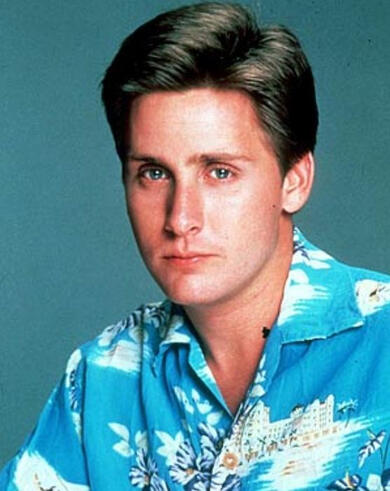
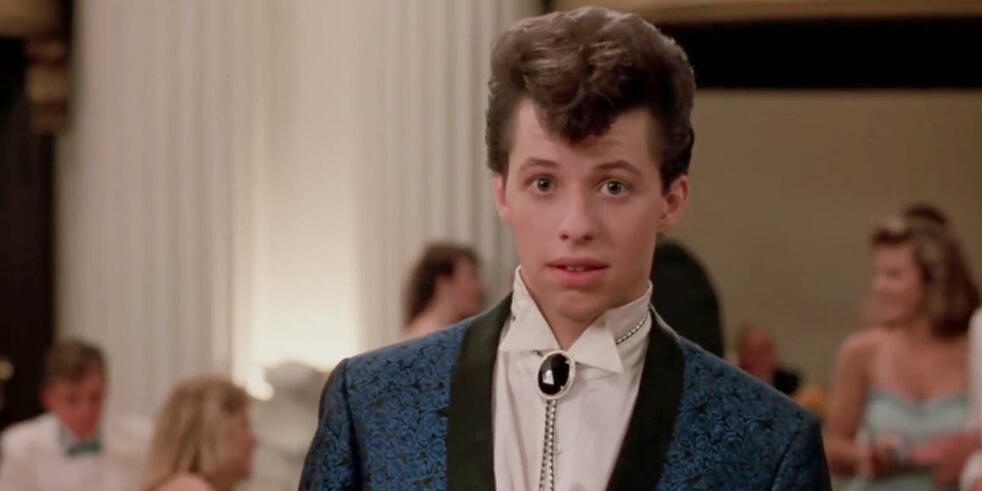
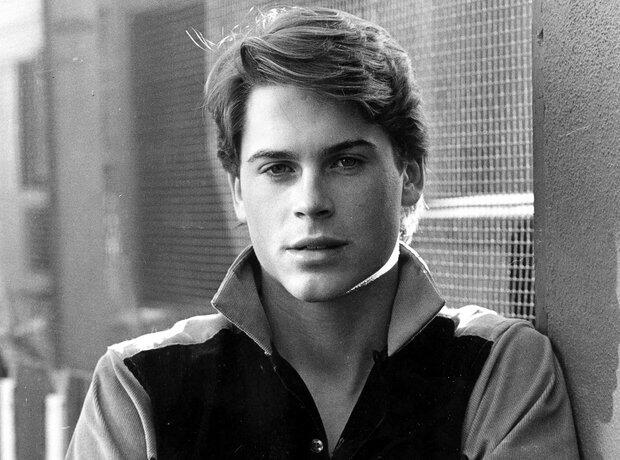
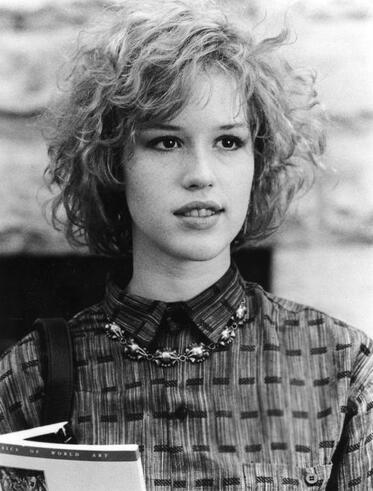
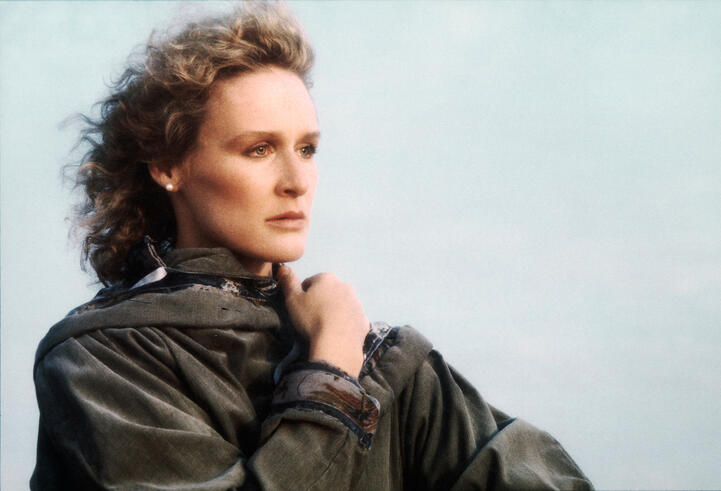
The 1980s was one of the first decades to truly become invested in the lives of celebrities. In decades past, clecbrities hadn't recieved as much direct media attention, but the eighties had a much more invested take into the personal lives of celebrities. Tabloids that explored celebrity gossip grew in popularity and the earliest talk shows discussing drama were created.
Due to the emphasis on the cinematic world during the eighties, it comes as no surprise that a majority of famous people were some how involved with acting. Some of the most famous actors and actressed of the eighies are still highly regarded in modern cinema.



VALUES AND CULTURE
During the 1980s people began to place more and more signifigance on the power you controlled. It was generally understood that the more powerful you were, the better you were in the eyes of society.
People also had begun to place much more emphasis on fashion because people had become obsessed with how other viewed them.
People had also become more materialistic and cared more about money than in previous decades.
Women In the 1980s
During the 1980s, the Women's Movement was able to accomplish a lot for their cause, but they also faced a lot of backlash from the public. The eighties were a time where women were being more accepted in the workplace and had access to more opportunities.
However, women also faced increased incidences of on-the-job sexual harassment and discrimination, and increasing disparity between men and women's income for comparable work.
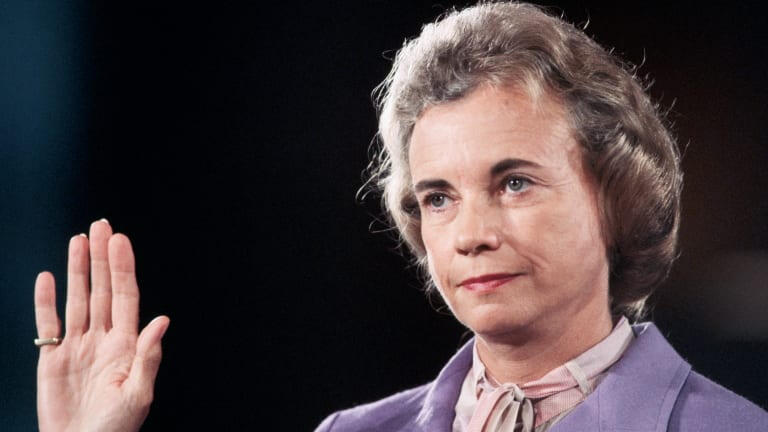
One of the greatest accomplishments of the Women's Movement during the 80s was the appointment of Sandra Day O'Connor to the Supreme Court. O'Connor was the first woman to ever be appointed to the Supreme Court. She was appointed by President Regan in 1981. She served 24 years on the Supreme Court and as of 2019, Sandra Day O'Connor is one of four women to ever hold a seat as a justice of the Supreme Court.
Racism In the 1980s
During the 1980's, despite the lack of segregation, there was a resurgence in racism and race related hate crimes. The rule of the law stated that segregation was illegal, but people of color still experienced racially motivated restrictions in areas such as housing, hiring, and education.
During the 1980s, the Civil Rights Movement had shifted their focus away from individual prejudice and hate towards the structural injustice in the United States. It was during the 80s that longstanding tensions with the police had first erupted into riots.
SLANG
"Gag me with a spoon"
This phrase is used as a way to disgust or disapointment at something you've been told.
"Bag your face"
This phrase means that someones physical appearance would be better if it were concealed by a bag.
"Gnarly"
When surfers describe something as gnarly, it means especially difficult or even dangerous. But in the 80s, gnarly became a shorthand for anything cool and exciting.
"No duh"
This phrase is used in response when something obvious is stated.
INVENTIONS IN TECHNOLOGY
During the 1980s, a plethora of new technoologies that made entertainment more accessible flooded the markets.
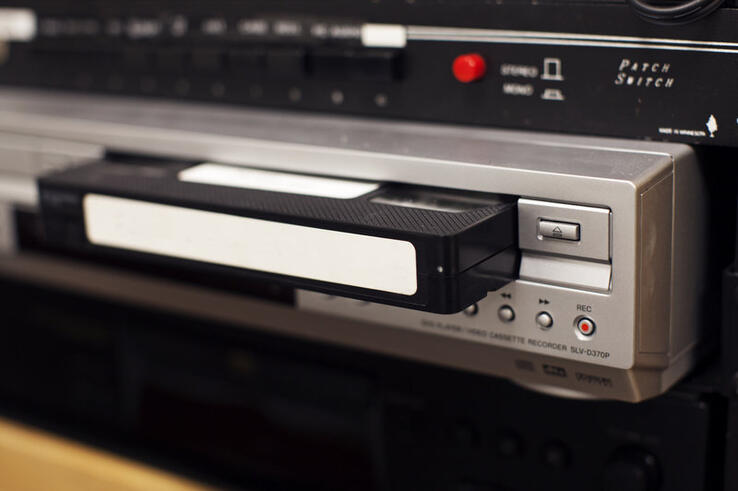
VCR (videocassette recorders) and VHS (video home system) tapes were first invented and released for purchasing during the 1970s, but it wasn't until the 1980's that they became the most popular way to view movies at home.
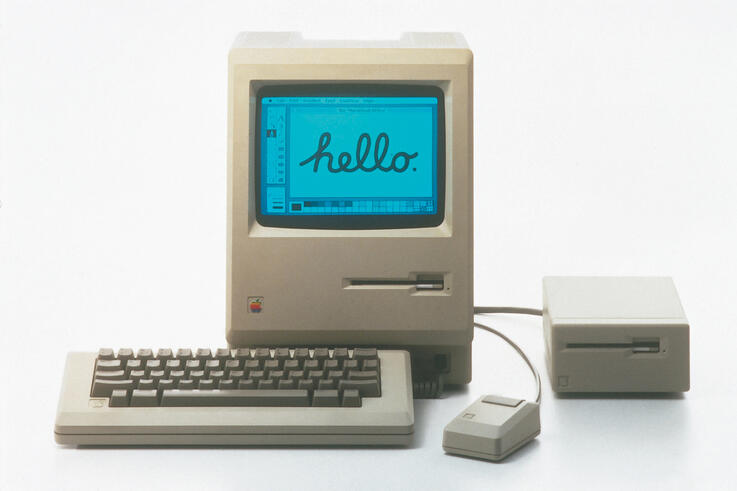
In the 70s, Apple released the first ever versions of a home computer: the Apple I and the Apple II. It wasn't until the IBM PC was released in 1982 that home computers received credibility and became mainstream.

Despite their high costs (CD players costing around $1,000 and CD's retailing for about $17 each), compact disks quickly replaced vinyls due to the higher quality of sound they produced.
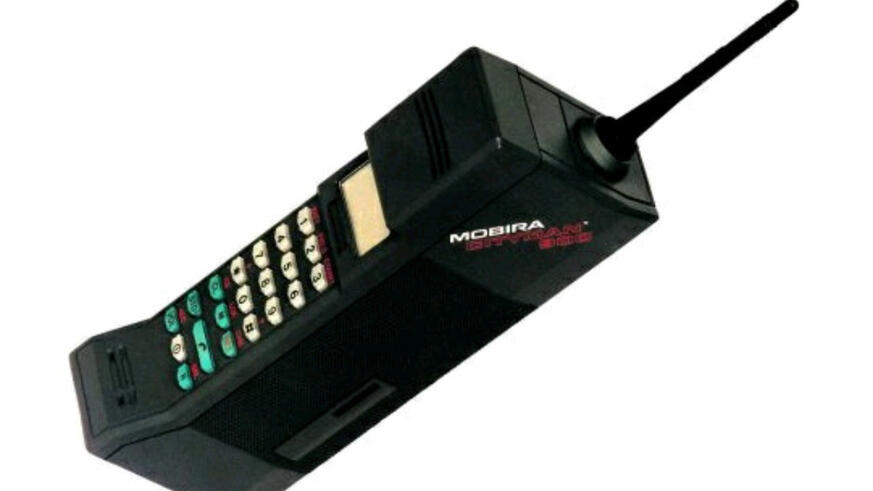
In 1983, Motorola released its first commercial mobile phone, known as the Motorola DynaTAC 8000X. The handset offered 30 minutes of talk-time, six hours standby, and could store 30 phone numbers. At the time, mobile phones were mostly intended for rich, business people. They cost thousands of dollars and were difficult to get a hold of.
IMPACT
One of the most significant impacts of the technological developments of the eighties was the increased digital communication that would set the stage for later developments in the 90s and 00s.
These inventions also transitioned leisure into homes. Now, it was much easier to watch movies and listen to music at home.
Politics
President Reagan
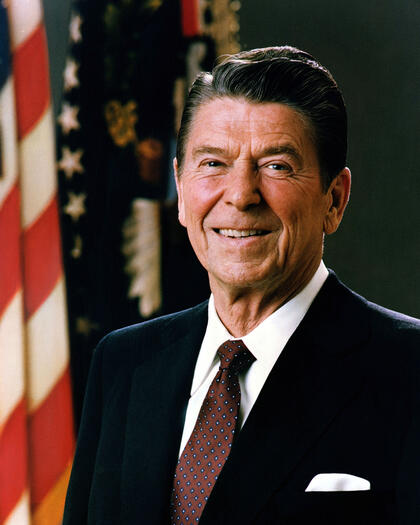
President Ronald Reagan served in office from 1981 to 1989. Prior to becoming president, Reagan had been the Governor of California and an actor. Reagan was know for his charisma and speaking abilities. During his first election, he won against President Jimmy Carter and during his second race he won against Walter Mondale by a landslide. Reagan was known for his domestic policies to influence the economies and his plans to win the Cold War by outspending the Soviet Union.
IRAN-CONTRA AFFAIR
The Iran-Contra Affair was a secret U.S. arms deal that traded missiles and other arms to free some Americans held hostage by terrorists in Lebanon, but also used funds from the arms deal to support armed conflict in Nicaragua. Lebanese newspaper Al-Shiraa first reported the arms deal between the United States and Iran in 1986, and a controversy blew up in the United States.
Reagan himself was never tried, but this scandal brought shame upon the entire Reagan administration and nearly resulted in his downfall.
MAJOR PEICES OF LEGISLATION
Since one of Reagan's main focuses was the economy, his administration passed a lot of legislation involving budget and tax cuts.
Some of those legislations include:
Financial Institutions Reform, Recovery, and Enforcement Act of 1989
The Family Security Act of 1988
Tax Reform Act of 1986
Consolidated Omnibus Budget Reconciliation Act of 1985 (COBRA)
Deficit Reduction Act of 1984
Tax Equity and Fiscal Responsibility Act of 1982
Highway Revenue Act of 1982
Economic Recovery Tax Act of 1981
ECONOMICS
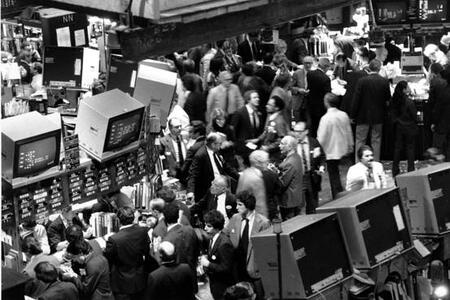
Supply side economics or "Reaganomics" was the economic theory that dominated the 1980s. Supply-side fiscal policy focuses on creating a better climate for businesses. Its tools are tax cuts and deregulation. According to the theory, companies that benefit from these policies are able to hire more workers. The resultant job growth creates more demand which further boosts the economy.
During the 80s there was a shortage of oil which caused prices to soar and a recession to occur. Reagan continued to pursue policies that sought to remedy the economic devastation the Carter administration had left behind.
According to Pew Research Center, "The unemployment rate hovered between 7% and 8% from the summer of 1980 to the fall of 1981, when it began to rise quickly. By March 1982 it had reached 9%, and in December of that year the unemployment rate stood at its recession peak of 10.8%. The jobless rate slowly receded over the next few years, falling to 8.3% by the end of 1983 and to 7.2% by the 1984 presidential election. The unemployment rate did not fall below 6%, however, until September 1987."
Television in the 1980s, eightiesclub.tripod.com/id13.htm.
“140 Essential 80s Movies.” Rotten Tomatoes Movie and TV News 140 Essential 80s Movies Comments, editorial.rottentomatoes.com/guide/140-essential-80s-movies/2/.
“80s Slang.” Like Totally 80s, 23 June 2015, www.liketotally80s.com/2009/05/80s-slang/.
Amadeo, Kimberly. “Decide for Yourself Whether Supply Side Economics Works.” The Balance, The Balance, 6 Apr. 2019, www.thebalance.com/supply-side-economics-does-it-work-3305786. Editors, History.com.
“Ronald Reagan.” History.com, A&E Television Networks, 9 Nov. 2009, www.history.com/topics/us-presidents/ronald-reagan. Editors, History.com.
“Iran-Contra Affair.” History.com, A&E Television Networks, 10 Aug. 2017, www.history.com/topics/1980s/iran-contra-affair.
Goodwin, Richard. “The History of Mobile Phones From 1973 To 2008: The Handsets That Made It ALL Happen.” Know Your Mobile, Know Your Mobile, 6 Mar. 2017, www.knowyourmobile.com/nokia/nokia-3310/19848/history-mobile-phones-1973-2008-handsets-made-it-all-happen.
Larkin, Bob, and Bob Larkin. “20 Slang Terms From the 1980s No One Uses Anymore.” Best Life, 1 May 2019, bestlifeonline.com/1980s-slang-terms/.
“Major Enacted Tax Legislation, 1980-1989.” Tax Policy Center, www.taxpolicycenter.org/laws-proposals/major-enacted-tax-legislation-1980-1989.
“Reagan's Recession.” Pew Research Center, Pew Research Center, 19 Nov. 2012, www.pewresearch.org/2010/12/14/reagans-recession/. Rosenberg, Gabriel.
“So Long, VCR. We Hardly Knew You (Were Still Around).” NPR, NPR, 21 July 2016, www.npr.org/sections/alltechconsidered/2016/07/21/486889433/so-long-vcr-we-hardly-knew-you-were-still-around.
Rothman, Lily. “Why Music Fans of the 1980s Ditched Vinyl for CDs.” Time, Time, 17 Aug. 2015, time.com/3971914/cd-history-music/.
“Sound Familiar? In 80s, Massive Oil Shortage, Prices Soared; Economies into Recession; Prices Flattened out, in 1985, Collapsed.” Sound Familiar? In 80s, Massive Oil Shortage, Prices Soared; Economies into Recession; Prices Flattened out, in 1985, Collapsed | WcP Blog, www.worldculturepictorial.com/blog/content/sounds-familiar-in-80s-massive-oil-shortage-prices-soared-economies-recession-prices-flatten.
“The Reagan Years: 1980s: Advancement & Backlash for Women's Movement.” The Reagan Years: 1980s: Advancement & Backlash for Women's Movement | Picture This, picturethis.museumca.org/timeline/reagan-years-1980s/womens-rights/info.